
As a HubSpot partner since 2012, we've had a front-row seat to the evolution of digital marketing. At Impulse Creative haven't just used the tools; we've lived and breathed the inbound methodology, preaching the customer-centric Kool-Aid ...
 Remington Begg
·
·
6 min read
Remington Begg
·
·
6 min read
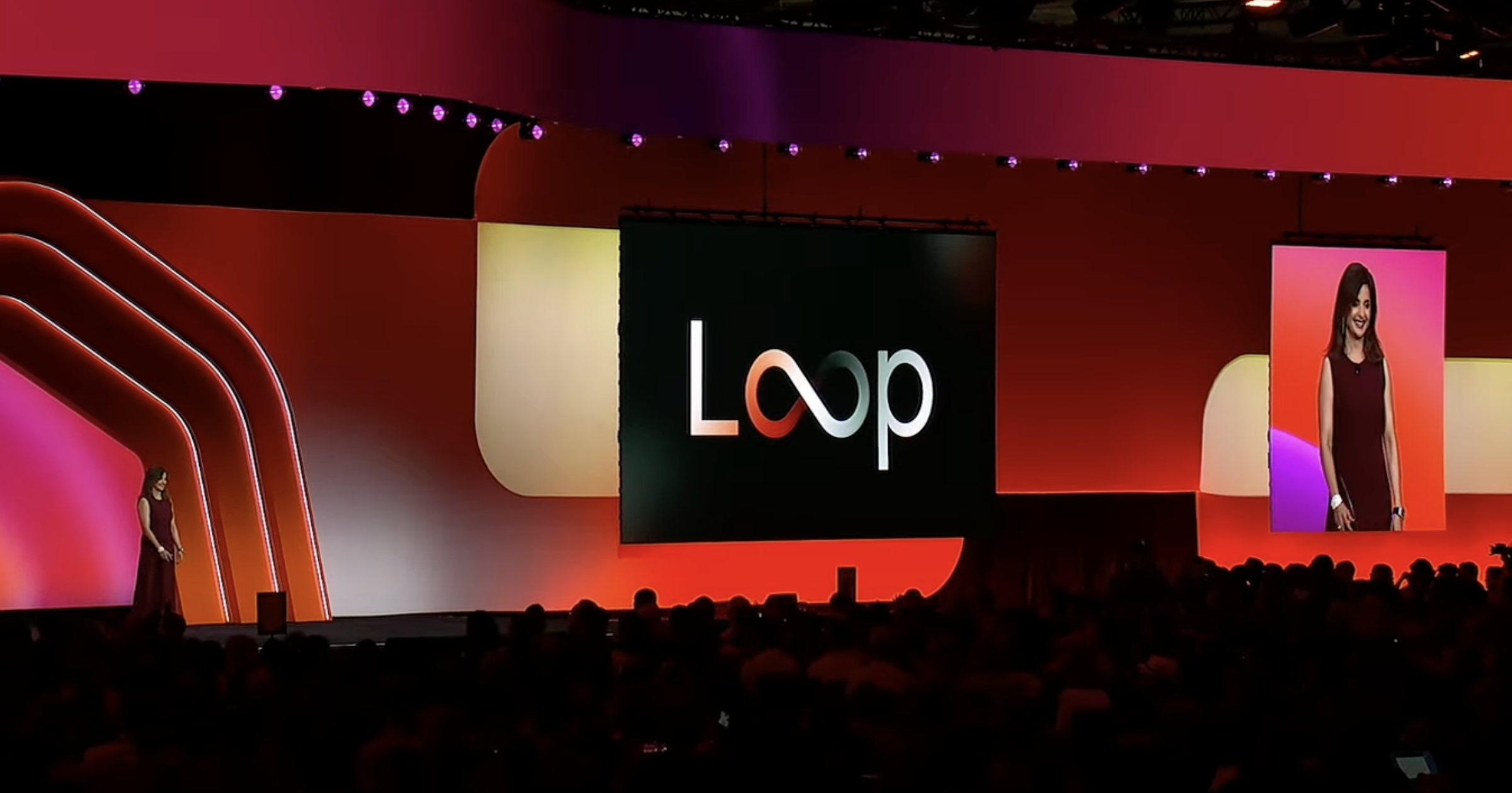
As a HubSpot partner since 2012, we've had a front-row seat to the evolution of digital marketing. At Impulse Creative haven't just used the tools; we've lived and breathed the inbound methodology, preaching the customer-centric Kool-Aid because it works. So, when HubSpot announced its new strategic playbook, "The Loop" or "Loop Marketing" at INBOUND25 in San Franscisco, it naturally caught my attention, and many people I talked to said said things like "INBOUND is what i built my whole career on, now what.". (I mean, we're at an INBOUND event after all)The headline is bold: the traditional marketing funnel is broken, and "The Loop" is the answer for the new AI-powered era. But after more than a decade of building strategies on the inbound foundation, I see this differently. "The Loop" isn't a replacement for inbound marketing. Instead, it's a powerful, AI-driven playbook for executing an inbound strategy in a more complex, omni-channel world. This isn't about throwing the baby out with the bathwater; it's about giving the baby a jetpack.
HubSpot's Position: Why a New Playbook?
First, let's give credit where it's due. HubSpot is correctly identifying major shifts in buyer behavior. Their argument for "Loop Marketing" is based on three core problems:
-
Awareness is Scattered: Buyers are everywhere—TikTok, Reddit, podcasts—not just on your website.
-
Consideration is Broken: AI Overviews in search are leading to "zero-click searches," creating what HubSpot calls a "traffic apocalypse" for organic content.
-
Conversion is Transforming: AI makes it possible to deliver hyper-personal content that converts faster than ever before.
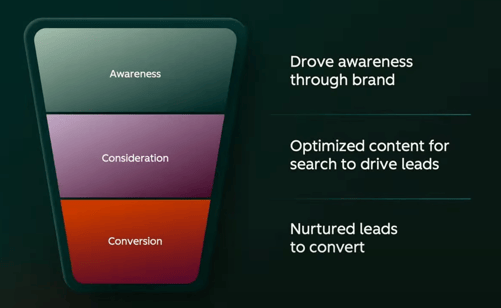
It's important to clarify that funnel they were referencing is actually "Awareness, Consideration, and Decision" their breakdown is not the "inbound funnel" itself. The Inbound Funnel It is a buyer-centric identification of the journey the prospect or customer goes through. HubSpot is correctly describing the modern buyer's journey—which any effective inbound strategy must be built upon—but it's crucial not to confuse their terminology of "conversion" with the "Decision" stage of the buyer's journey.
In response, they've introduced The Loop, a continuous cycle designed for this new reality, focused on four stages: Express, Tailor, Amplify, and Evolve. The goal is to partner human authenticity with AI's efficiency to drive growth.

The Inbound Counterpoint: The Funnel Isn't Broken, It's Evolving
Here is where my years of experience diverge from the "broken funnel" narrative. The funnel was never a rigid, company-defined process. It was always a representation of the buyer's journey, and that journey still exists. People still become aware of a problem, consider solutions, and make a decision.
What has changed are the channels and tactics. The idea that the funnel is "broken" is a product-centric view. A customer-centric view reveals that the buyer's journey is simply less linear and happens across more surfaces.
| Concept | HubSpot's 'The Loop' Perspective | An Inbound-Centric Viewpoint |
|
The Funnel |
The traditional funnel is broken and no longer flowing effectively. |
The funnel is not broken because it represents the buyer's journey, not the company's process. The channels are evolving, but the customer stages remain. |
|
Customer Centricity |
The model starts with "Express" (the company's brand) to guide AI. |
The model can feel product-centric. True Inbound starts with the customer's problem and their journey, keeping them at the center. |
|
The Playbook's Purpose |
"The Loop" is the new playbook for growth, inferring the old one is obsolete. |
"The Loop" is a playbook for how to build and execute a campaign using AI. It should be layered on top of an Inbound methodology, not replace it. |
|
Awareness & Content |
Awareness is scattered; blogs are less effective, requiring diversification. |
Awareness is now omnichannel and multimodal. Blogs and owned media are more important than ever as a source for AI consensus and to establish a point of view. |
Layering 'Loop Marketing' on a Foundational Inbound Strategy
The real power emerges when we stop seeing these as competing ideas and instead layer "The Loop" on top of the classic inbound funnel. "The Loop" provides the how for executing the what of a customer-centric inbound and omni-channel strategy in 2025 and beyond.
Here’s how they fit together:
TOFU (Top of Funnel): Attracting the "Learners"
The goal here is to attract visitors who are researching solutions to their problems. They are not ready to buy.
-
How 'The Loop' Enhances It:
-
Express: This stage is about defining your brand voice and ideal customer profile (ICP). This is foundational inbound work, now supercharged because it directly informs the AI you'll use.
-
Amplify: This is the modern execution of TOFU. Instead of just SEO for your blog, "Amplify" means showing up on podcasts, social media, and, crucially, optimizing for AEO (AI/Answer Engine Optimization) so you become a cited source in AI-driven answers.
-
MOFU (Middle of Funnel): Engaging the "Shoppers"
At this stage, prospects are comparing options. They need case studies, calculators, and content that connects your solution to their problem.
-
How 'The Loop' Enhances It:
-
Tailor: This is MOFU on steroids. Using AI and unified data, you can move beyond simple lead nurturing to deliver hyper-relevant, 1-to-1 content at scale, making prospects feel understood.
-
BOFU (Bottom of Funnel): Converting the "Buyers"
These prospects are ready to make a decision. They need demos, free trials, and consultations. The goal is to make it easy for them to buy.
-
How 'The Loop' Enhances It:
-
Tailor: You can use AI to start creating tools that drive value and are additional ways (from an omnichannel point of view) to meet the customer where they are.
-
Evolve: This stage is about learning and iterating in real-time. By analyzing data from your tailored MOFU and BOFU campaigns, you can rapidly optimize your conversion paths, ensuring the buyer's final step is as frictionless as possible.
-
Our Take: The Future is Omnichannel, Customer-Centric, and AI-Enhanced
HubSpot's new tools are incredibly exciting. The ability to execute with the speed and intelligence that AI offers will change the game. But technology is a tool, not a strategy. The strategy must remain rooted in what we've preached for over a decade: be obsessively focused on your customer.
Don't abandon your inbound principles. Don't stop creating valuable, foundational content like blogs—the AI needs that consensus to see you as an authority. Instead, embrace the future by seeing it as omnichannel and ultra-specific. Use "The Loop" as a framework to leverage AI for execution, to save time and energy, and to create the one-to-one experiences that modern buyers expect.
The future of marketing isn't about replacing old playbooks with new ones. It's about integrating powerful new capabilities into a timeless, customer-centric foundation. That's how we've always seen the future, and with these new tools, there is more opportunity than ever.